

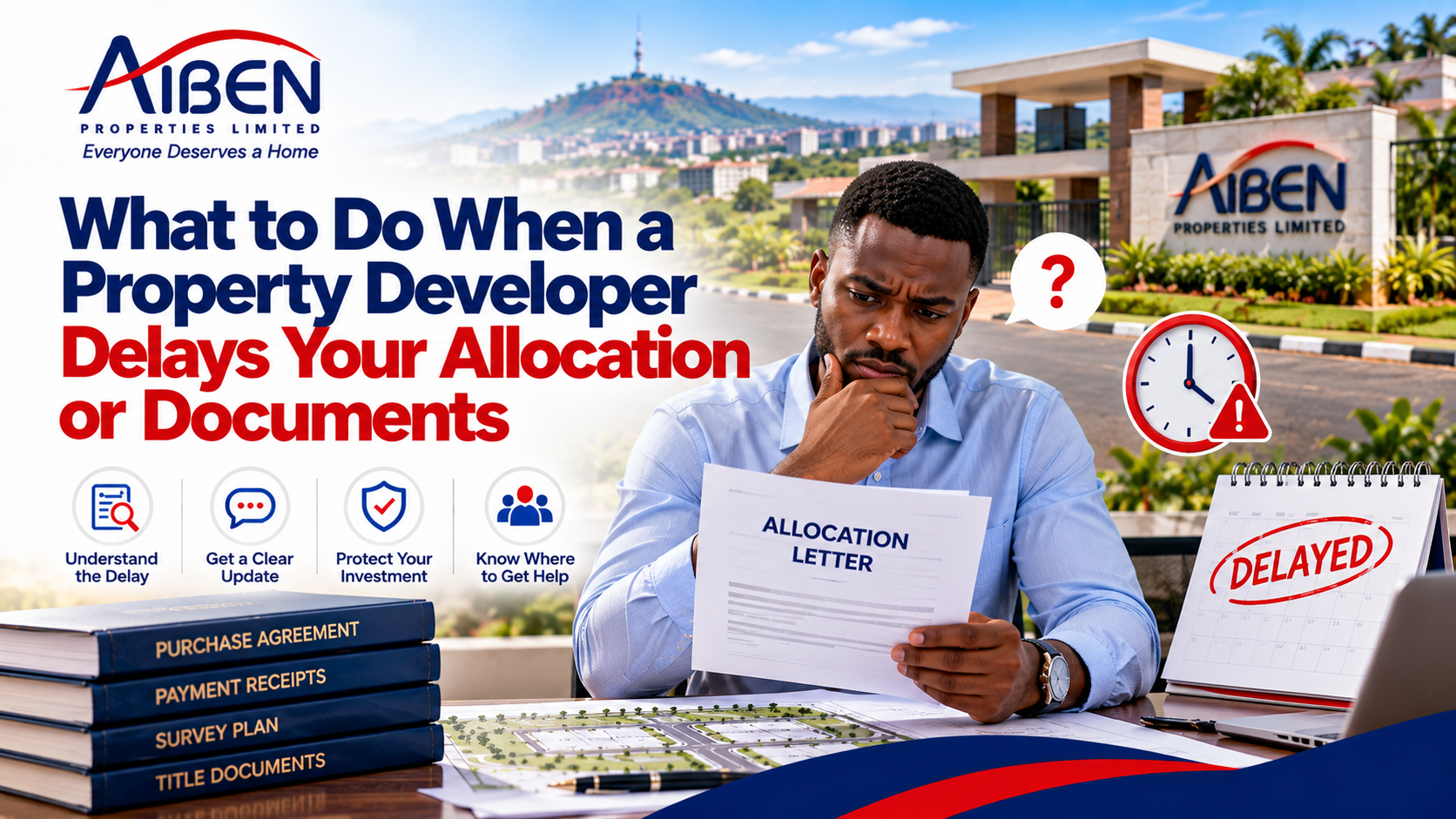
Buying land or a property is a significant financial commitment. After making payments, every buyer wants to receive the appropriate documentation, understand the status of their allocation and have confidence that the transaction is progressing as agreed. However, some buyers experience delays in receiving allocation letters, purchase documents, title-related paperwork or other records connected to their property.
When this happens, it is natural to become concerned, particularly if you have paid a substantial amount and are uncertain about what happens next. The important thing is to respond calmly, keep accurate records and take practical steps to establish the reason for the delay.
A delay does not automatically mean that a property transaction is fraudulent. Administrative backlogs, incomplete applications, outstanding contractual obligations and processes involving relevant authorities can all affect timelines. Nevertheless, repeated missed commitments, poor communication and unexplained requests for additional payments should not be ignored.
In this guide, AIBEN Properties explains the steps property buyers can take when their allocation or documents are delayed, how to protect their interests and what to consider when choosing a real estate developer in Abuja, Nigeria.
1. Confirm Which Document Is Delayed
Before taking action, identify the exact document you are waiting for. Property transactions involve different documents, and each serves a different purpose. Understanding the distinction will help you ask the right questions and determine the appropriate next step.
For example, you may be waiting for a payment receipt, purchase agreement, allocation letter, survey plan, deed of assignment, Right of Occupancy or Certificate of Occupancy. These documents are not interchangeable, and they may be issued or processed at different stages.
If your allocation letter is delayed, ask whether the developer has completed the internal allocation process and whether any outstanding information or payment is required under your agreement. If a government-issued title document is pending, establish whether the application has been submitted to the relevant authority and request the available application reference or evidence of submission.
Do not assume that receiving one document means every other aspect of your property’s documentation has been completed. A clear understanding of what is outstanding will make it easier to follow up effectively.
2. Review Your Agreement and Payment Records
Your purchase agreement is one of the most important documents to review when an allocation or documentation delay occurs. It may specify the developer’s responsibilities, the buyer’s obligations, applicable payment conditions and the procedure for completing the transaction.
Check whether you have fulfilled the payment requirements associated with the document you are expecting. Some transactions may require full payment or the settlement of specified charges before a particular document can be issued. Other processes may depend on the submission of identification, completed forms or additional information.
Gather your payment receipts, bank transfer confirmations, invoices, purchase agreement, allocation correspondence and any messages in which delivery dates were discussed. Arrange them chronologically so you can establish what was paid, what was promised and what remains outstanding.
If the developer’s stated timeline differs from the terms in your agreement, request clarification in writing. Avoid relying entirely on verbal assurances, especially where the delay has continued for some time.
Keeping an organised record of your transaction will also help if you later need to seek professional or regulatory assistance.
3. Contact the Developer Formally and Request an Update
If you have been waiting longer than expected, contact the developer’s customer service team or the department responsible for allocations and documentation. Explain the issue clearly and provide enough information for the company to identify your transaction.
Your message should include your full name as recorded in the purchase documents, the property or estate name, your plot or unit number, the date of purchase, the relevant payment details and the specific document you are awaiting. Ask for the current status, the reason for the delay and a realistic date for the next update or expected delivery.
Where possible, communicate through official email addresses or other channels that provide a written record. If you make a telephone call or visit an office, follow up with a written message summarising what was discussed.
Remain professional but firm. Your objective is to obtain a clear explanation and a practical resolution, not simply another general assurance that the matter is being handled.
A professional developer should be able to explain the next steps within the limits of its actual responsibilities. If a process depends on an external authority, ask for an explanation of that dependency and the evidence available to support it.
4. Ask for a Specific Timeline and Written Explanation
One of the most frustrating aspects of a documentation delay is receiving repeated responses without a clear indication of what happens next. To move the matter forward, ask for specific information rather than accepting vague assurances.
Your questions should include:
- What is the exact reason for the delay?
- Has the allocation or documentation process started?
- Is any payment, form or supporting document outstanding from your side?
- Has an application been submitted to a relevant government authority, where applicable?
- Is there a reference number or acknowledgement confirming submission?
- What steps remain before the document can be issued?
- When should you expect the next update?
Ask the developer to provide its response in writing. If the original delivery date has passed, request a revised timeline and an explanation of any factors affecting it.
It is important to distinguish between an internal document issued by a developer and a statutory document that requires processing by a government authority. A developer may be responsible for preparing or submitting certain paperwork without having direct control over the final processing time of an external agency.
The more precisely the delay is explained, the easier it becomes to determine whether the next step is a routine follow-up, a formal complaint or independent verification.
5. Verify the Status of Government-Related Land Documents
If your concern involves land title records or a government-issued document in Abuja, you may need to verify the matter independently rather than relying exclusively on the developer’s explanation.
The Abuja Geographic Information Systems (AGIS) provides services relating to title searches, land records, survey information and deed registration in the Federal Capital Territory. Its official website provides information about the relevant services and procedures: AGIS Land Services.
Depending on your circumstances, you may be able to request a title search to check relevant ownership records, title status or encumbrances. If an application has already been submitted, ask the responsible party for the appropriate reference information and follow the official procedure for checking its status.
The FCT Department of Land Administration is also responsible for functions relating to land allocation, Rights of Occupancy and land title administration. You can consult the official FCT Land Administration Department page for further information.
Remember that a developer’s internal allocation letter and a statutory title document are different things. An allocation letter should not automatically be treated as proof that a Certificate of Occupancy or other relevant title process has been completed.
Independent verification is particularly important when explanations are inconsistent, documents appear questionable or the delay raises concerns about the property’s legal status.
6. Watch for Warning Signs Without Jumping to Conclusions
A delayed document is a reason to investigate, but it is not conclusive proof of fraud. What matters is the explanation provided, the supporting evidence and the developer’s willingness to address the issue.
Pay particular attention if the developer repeatedly changes its explanation, ignores formal requests, refuses to acknowledge payments or makes new demands that are not supported by your agreement. Requests to transfer additional money into an unrelated personal account, pressure to make unofficial payments or refusal to provide basic transaction records also warrant caution.
Do not make additional payments solely because someone promises to accelerate your allocation or documentation. First, request the contractual or official basis for the charge and independently confirm that it is legitimate. For statutory land processes in the FCT, use the approved payment channels specified by the relevant authority.
Keep copies of all suspicious messages, payment instructions and correspondence. If you believe that a document has been falsified or your money may be at risk, seek independent legal advice and consider reporting the matter to the appropriate authorities.
The aim is to establish the facts and protect your interests rather than make assumptions before the available evidence has been reviewed.
7. Escalate the Matter if the Developer Does Not Respond
If repeated follow-ups have not produced a satisfactory response, move from informal communication to a formal written complaint. Clearly state the problem, the steps you have already taken and the resolution you are requesting.
Attach copies of relevant documents, such as your purchase agreement, payment evidence, previous correspondence and any written promises concerning the outstanding document. Request a written response within a reasonable period, taking into account the nature of the issue and any contractual timelines.
Where the complaint concerns a consumer transaction and the developer has not resolved it, you may consider contacting the Federal Competition and Consumer Protection Commission (FCCPC). The Commission provides a complaint-handling process through which consumers can submit supporting evidence and track complaints.
Visit the official FCCPC complaint-handling page to understand the available procedure.
If the dispute concerns ownership, a potentially defective title, a contractual breach or a substantial amount of money, consult a qualified property lawyer. A lawyer can review the documents, explain your legal position and advise whether a formal demand, regulatory complaint or court action may be appropriate.
The appropriate route depends on the facts. A complaint to a consumer protection body does not replace the need for specialist legal advice where land title or ownership rights are in dispute.
8. Protect Your Investment While the Matter Is Being Resolved
While waiting for your allocation or documents, take practical steps to preserve your records and avoid making the situation more complicated.
First, retain copies of every relevant transaction document and keep a clear record of all communications. Back up digital copies securely and store original documents in a safe place.
Second, avoid signing new agreements, accepting revised terms or making additional payments without understanding their implications. If the developer presents a new document that changes your original arrangement, seek independent advice before agreeing to it.
Third, if the matter involves an identifiable plot of land, maintain accurate information about its location and plot details. Where appropriate, verify the boundaries and relevant records through qualified professionals and official channels.
Finally, do not resell, transfer or make major commitments involving the property based on assumptions about documentation that has not yet been issued. Confirm the relevant legal and contractual position first.
These precautions will not resolve the delay by themselves, but they can help you maintain a clear record and make better-informed decisions while the issue is being addressed.
9. How to Choose a Developer That Values Clear Communication
One of the best ways to reduce the risk of documentation disputes is to assess a developer carefully before committing your money. Beyond the location and price of a property, consider how the company explains its purchase process, documents its commitments and communicates with buyers.
Before making payment, ask for clear information about the allocation process, the documents you should expect, any conditions attached to their issuance and the responsibilities of both parties. Find out which documents the developer issues directly and which require further processing by government authorities.
You should also verify the developer’s identity, review the purchase agreement and investigate the status of the land or property. Do not rely solely on marketing materials, testimonials or verbal promises when making a substantial financial decision.
AIBEN Properties positions itself as a property developer for buyers seeking real estate opportunities in Abuja, with an emphasis on informed property decisions and a clear understanding of the purchase process. Prospective buyers should assess any development, including AIBEN’s, based on the specific property’s documentation, contractual terms, location and suitability for their needs.
At AIBEN Properties, the guiding principle is “Everyone Deserves a Home.” That principle reflects the importance of helping prospective homeowners and investors understand their options as they work towards property ownership.
To explore available information about AIBEN Properties, visit the official website or contact the team with questions about a particular property or purchase process.
Making an informed choice means understanding not only what you are buying, but also the documentation and procedures that accompany the transaction.
10. Questions to Ask Before Paying for Property
Before entering into a property transaction, consider asking the following questions:
- What documents will I receive after making payment?
- At what stage will the allocation letter be issued?
- What conditions must I satisfy before receiving each document?
- Which documents are issued by the developer, and which require government processing?
- What is the expected timeline, and what could cause a delay?
- How can I verify the status of the property and its title?
- Who should I contact if a deadline is missed?
- What written procedure is available for resolving complaints?
Request clear answers before committing your money. If the response is unclear, ask for clarification and obtain independent professional advice where necessary.
These questions can help you compare developers more effectively and understand the responsibilities involved in the purchase.
Conclusion: Your Property Investment Deserves Proper Follow-Through
A delay in receiving an allocation letter or property documents can be stressful, particularly after you have fulfilled your payment obligations. However, the best response is to establish the facts, review your agreement, communicate formally and seek independent verification when necessary.
Start by identifying the outstanding document, gathering your payment records and requesting a written explanation. If the issue concerns statutory land records, consult the relevant FCT authorities. If the developer remains unresponsive or the matter raises serious concerns, consider a formal complaint and seek qualified legal advice.
For buyers exploring property opportunities in Abuja, AIBEN Properties is a real estate company to consider when comparing developers and evaluating your route to property ownership. Take time to examine the relevant documentation, understand the terms of the transaction and ask questions before making a commitment.
Ultimately, a sound property purchase should be supported by clear information, appropriate documentation and a practical understanding of the steps required to complete the transaction.
AIBEN Properties — Everyone Deserves a Home.